
Valley of Flowers
3,650m
11,650 INR
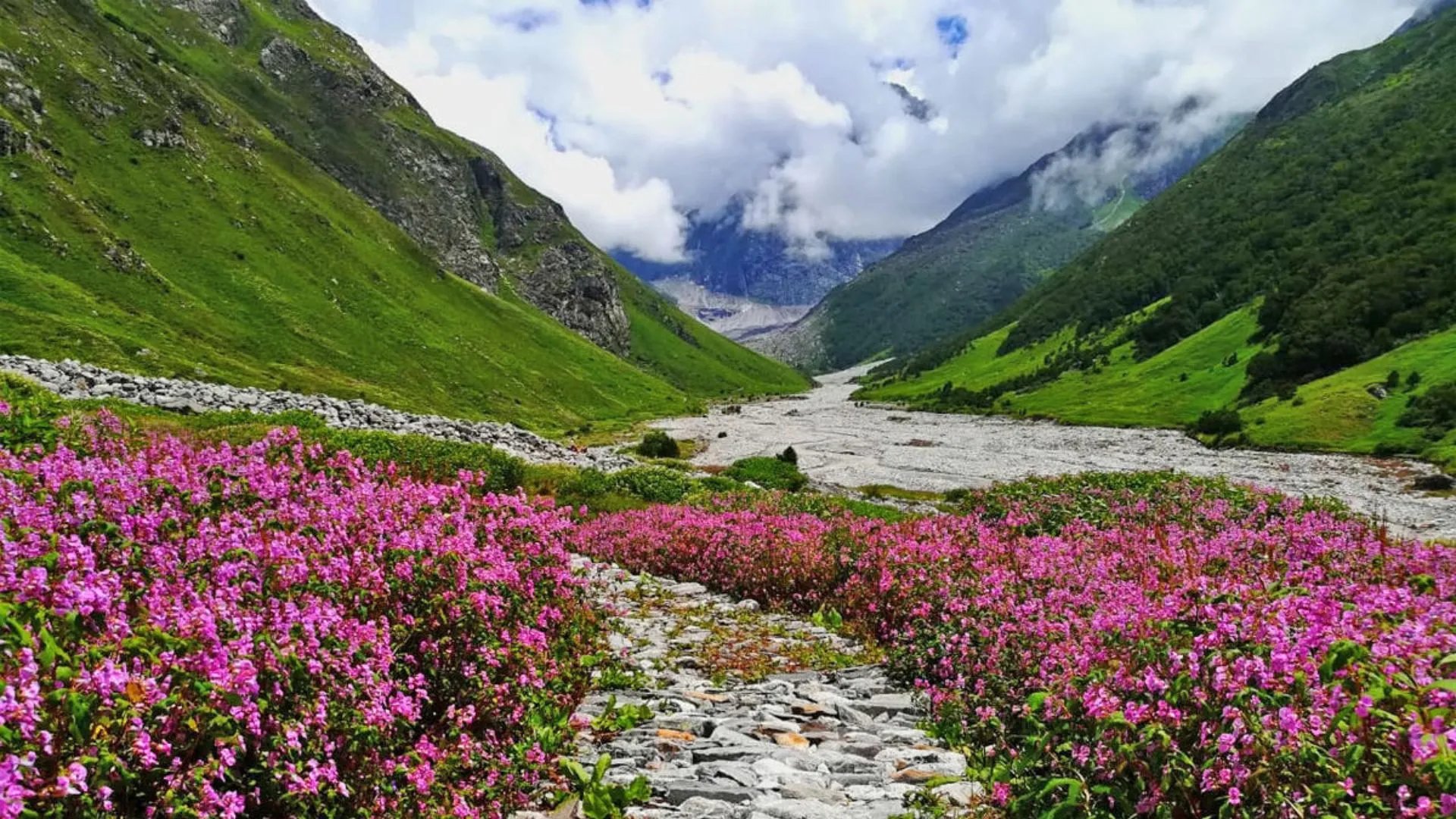
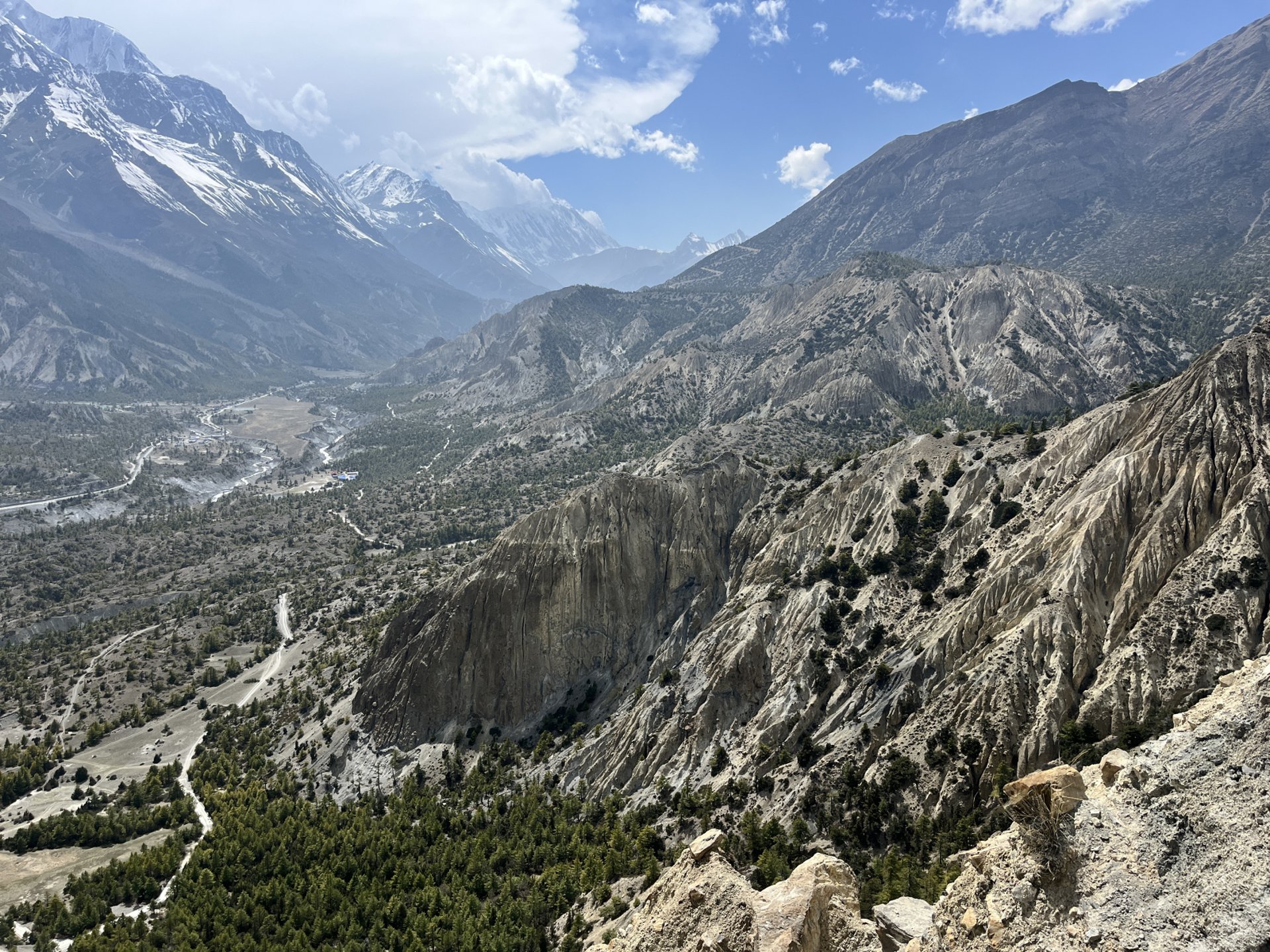
Nestled high in the Garhwal Himalayas, the Valley of Flowers is a realm where the grandeur of the mountains meets the delicate artistry of nature. Hidden beneath towering snow-clad peaks and nourished by glacial streams, this enchanting alpine valley awakens each monsoon into a breathtaking panorama of color and life. What appears for much of the year as a quiet mountain basin transforms into a vibrant mosaic of wildflowers, carpeting the landscape in shades of sapphire blue, deep magenta, golden yellow, soft pink, and pristine white.
As clouds drift lazily across the sky and sunlight filters through the mist, the valley reveals an ever-changing spectacle. Meadows ripple with blooms swaying in the mountain breeze, while crystal-clear waters weave through the terrain, reflecting the dramatic silhouettes of distant peaks. The scent of rain-soaked earth mingles with the fragrance of countless blossoms, creating an atmosphere that feels both invigorating and dreamlike.
Home to hundreds of species of alpine flora, many of which are rare and endemic to the Himalayas, the valley is a sanctuary of extraordinary biodiversity. Delicate orchids, primulas, blue poppies, anemones, and countless other flowering plants flourish in harmony, supporting a rich ecosystem that shelters elusive wildlife such as the Himalayan black bear, musk deer, blue sheep, and a variety of rare birds and butterflies. Every corner of the valley tells a story of resilience, where life thrives amid challenging mountain conditions and brief growing seasons.
Beyond its ecological significance, the Valley of Flowers carries an almost mythical aura. Surrounded by dramatic ridgelines and veiled in monsoon mists, it evokes a sense of wonder that has inspired explorers, botanists, and travelers for generations. The landscape possesses a rare ability to feel both vast and intimate—where sweeping Himalayan vistas coexist with the intricate beauty of a single wildflower in bloom.
Recognized as a UNESCO World Heritage Site, the Valley of Flowers stands as one of the world's most remarkable natural treasures. It is a celebration of nature's fleeting brilliance, a place where seasons orchestrate a spectacular transformation and where every bloom, stream, and mountain peak contributes to an unforgettable symphony of color, texture, and life.
More than a destination, the Valley of Flowers is an experience of immersion in nature's finest expression—a landscape where the Himalayas bloom, and where every step feels like a passage through a living masterpiece.
For SAARC Countries
262 USD
+3,000 INR for Transport
Overview of this Trek
July-August
2026










Max Altitude
Duration
Grade
Distance
Best Time
3,650m
6 Days
Easy-Moderate
37 km
jul,Aug,sept
Basics of this Trek
For Other Countries
Day 1
Rishikesh to Joshimath
Drive Duration: 9–11 Hours | Altitude: 372 m → 1,875 m
The journey begins along the sacred Ganges as the plains gradually give way to the dramatic landscapes of the Garhwal Himalayas. The road traces the course of the Alaknanda River, passing through a series of spectacular river confluences known as the Panch Prayag.
The route unfolds through deep valleys, terraced villages, pine-covered slopes, and winding mountain roads. Along the way, travelers witness the merging of rivers that have shaped the cultural and spiritual identity of Uttarakhand for centuries.
As evening descends, the mountain air grows cooler and the silhouette of distant peaks begins to emerge against the sky.
Overnight: Joshimath
En Route Highlights
Rishikesh – Gateway to the Himalayas
Devprayag – Birthplace of the Ganges
Rudraprayag
Karnaprayag
Joshimath – Ancient Himalayan town and base for many high-altitude expeditions
Day 2
Joshimath to Pulna – Trek to Ghangaria
Drive: 20 km | Trek: 13 km | Altitude: 1,828 m → 3,050 m
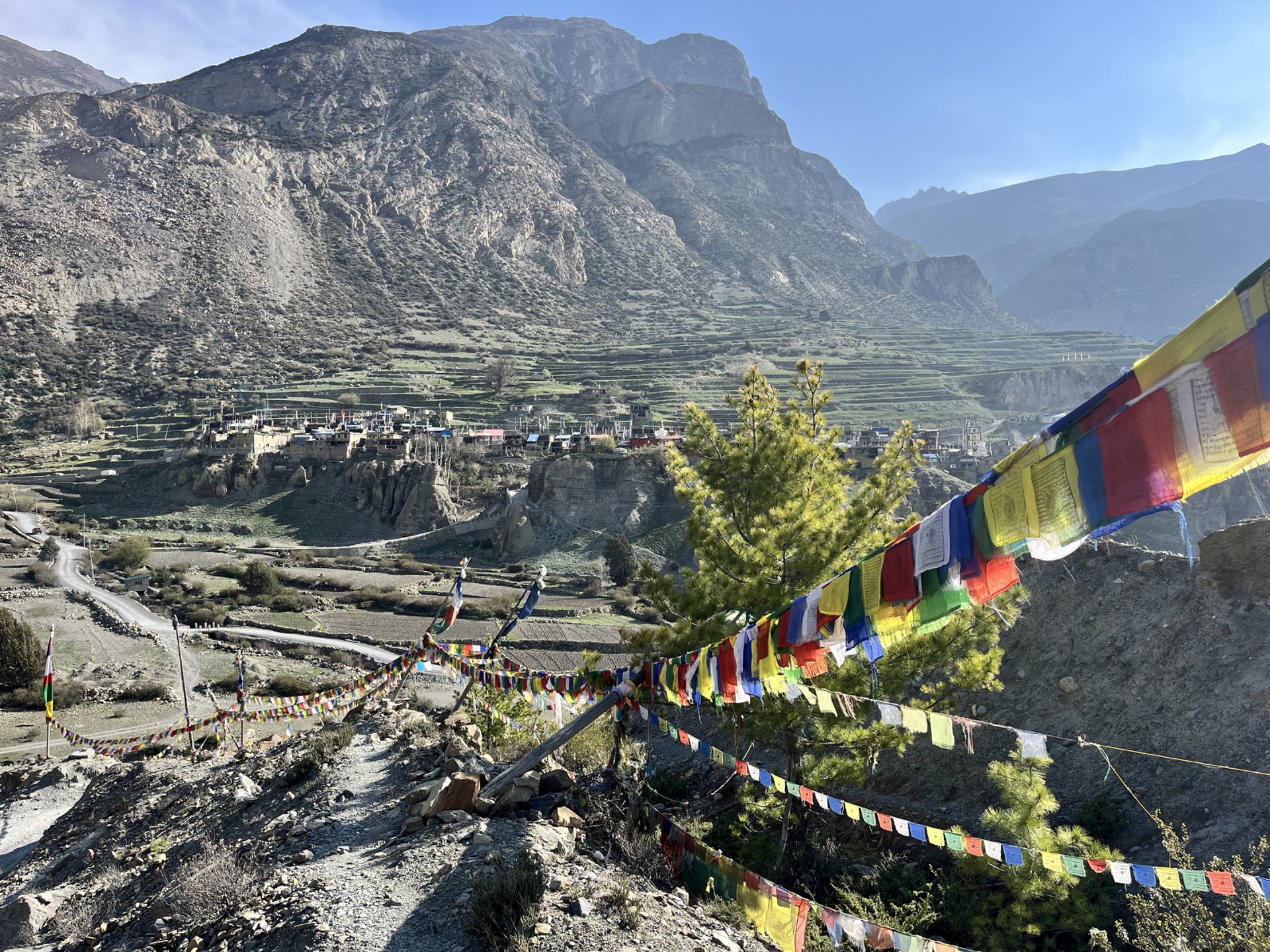
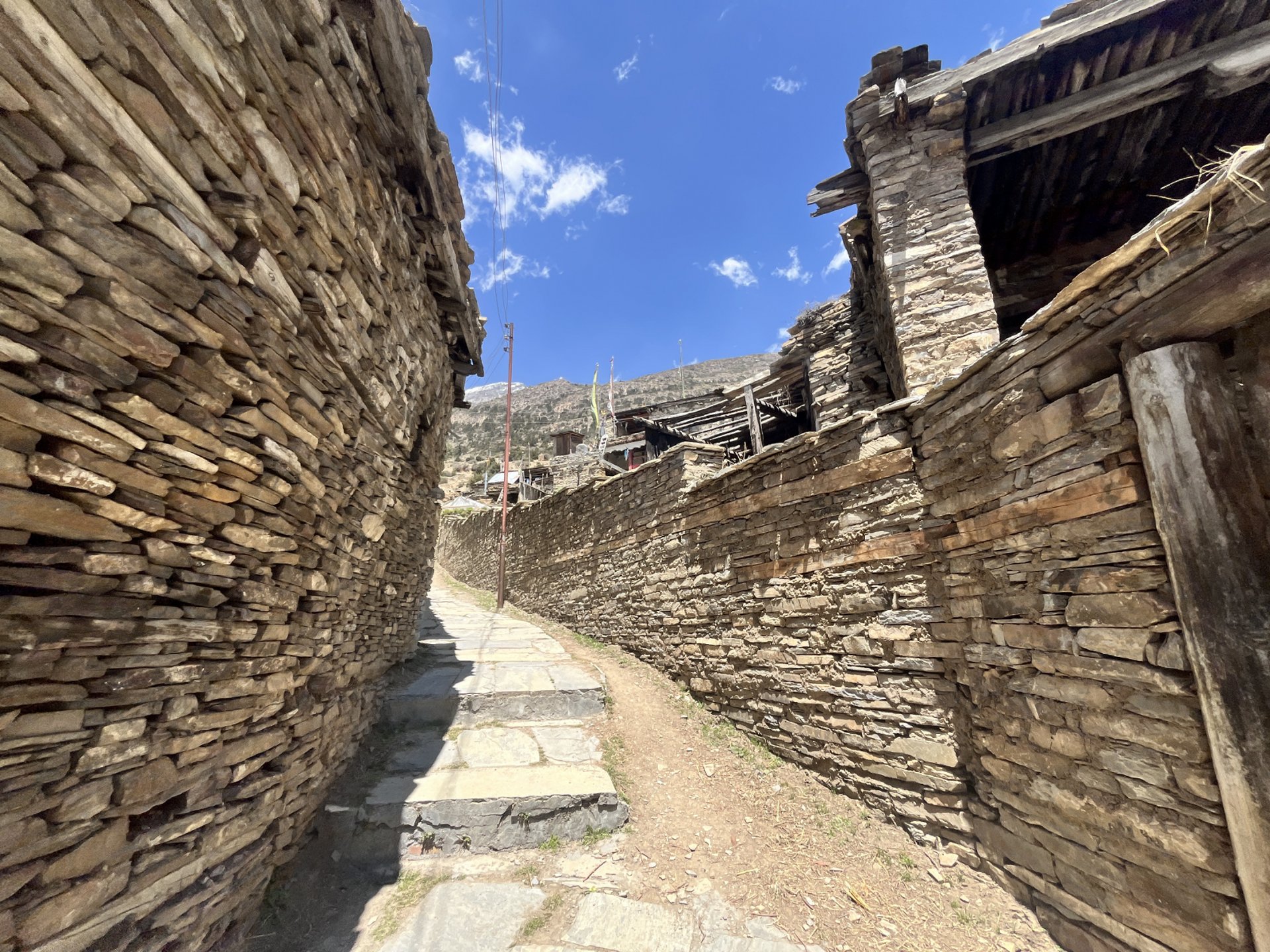
After breakfast, a short drive leads to Pulna, the starting point of the trek. The trail follows the roaring Pushpawati River, whose glacial waters carve their way through the mountains.
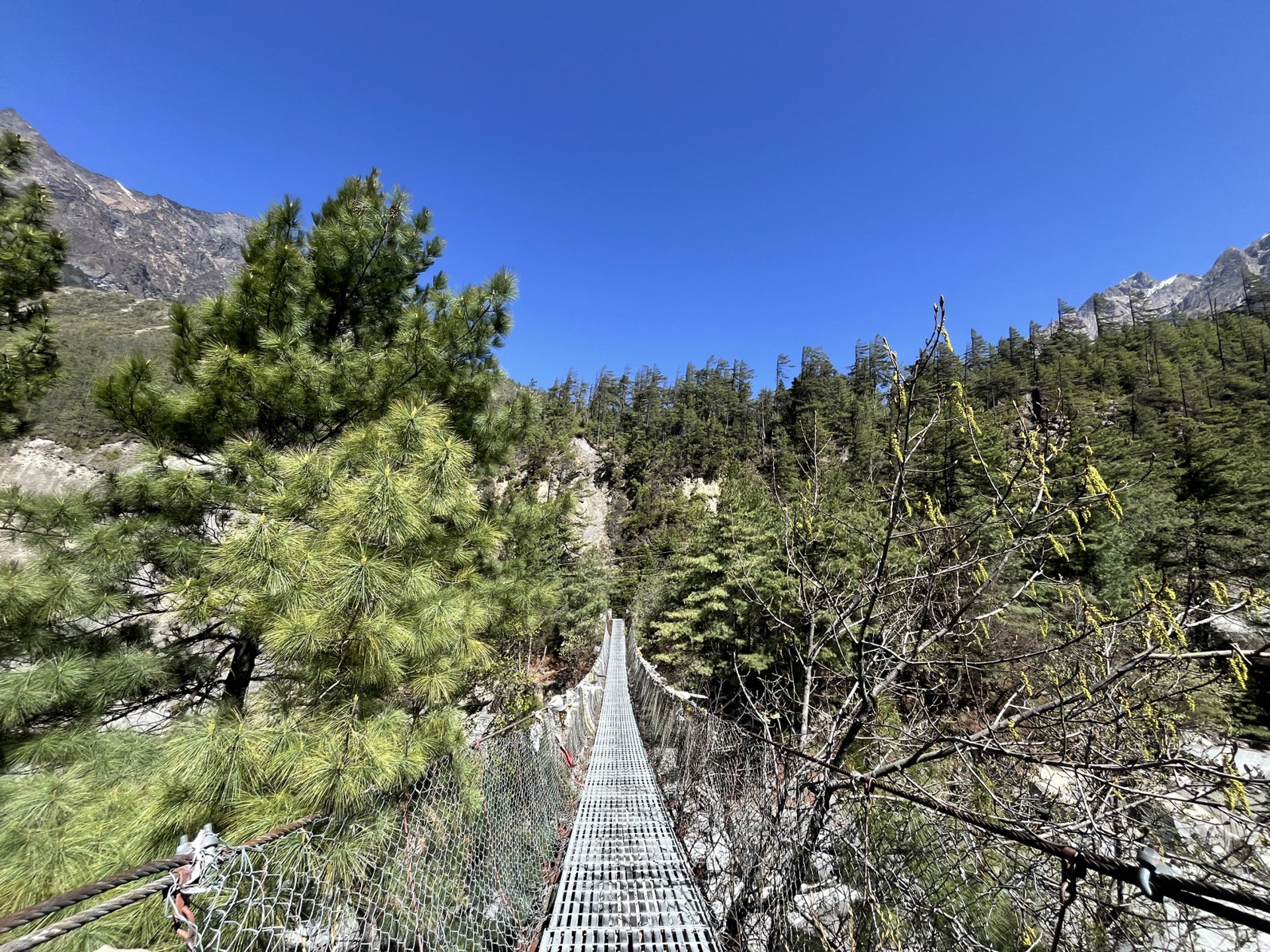
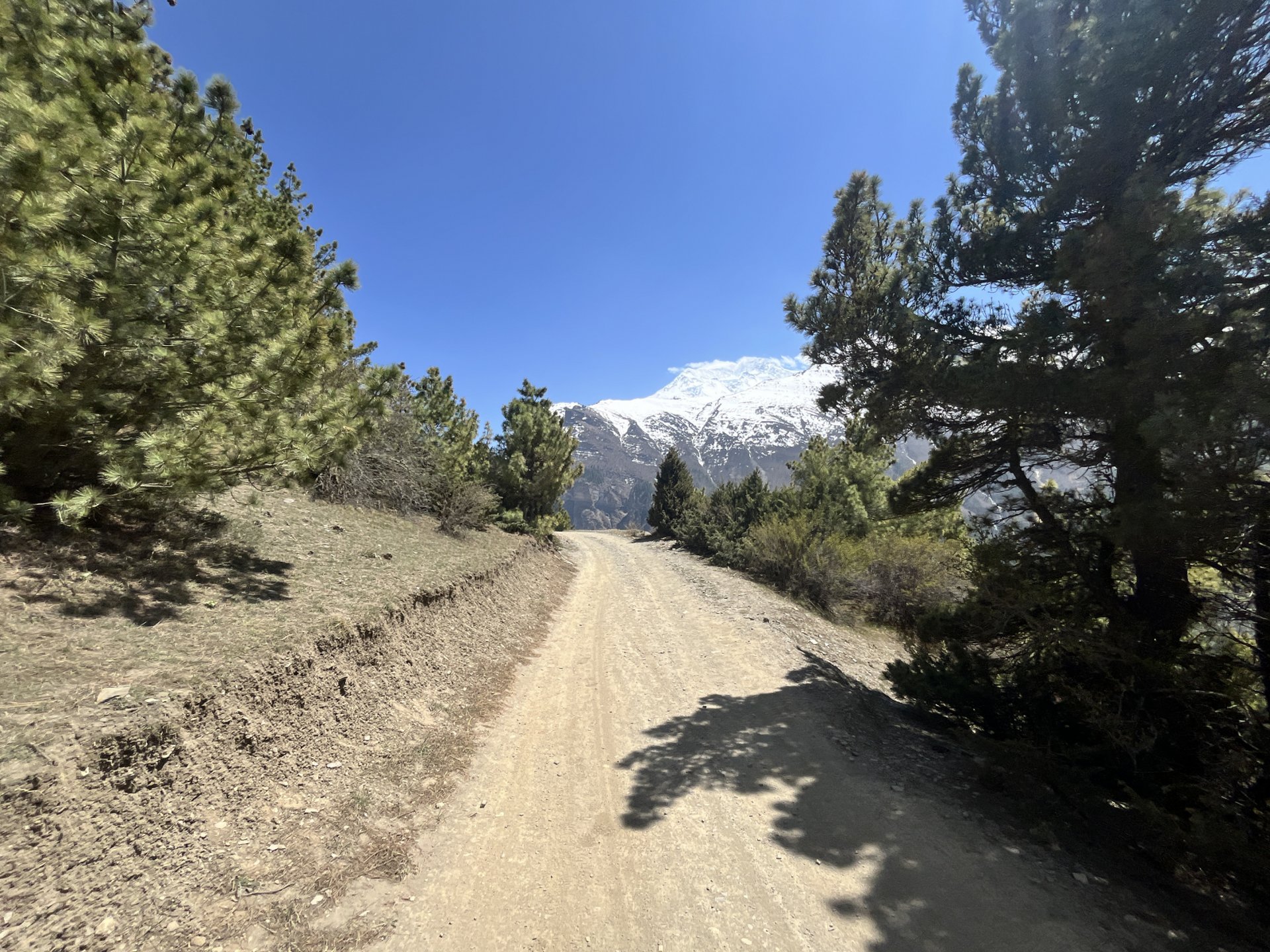
The path steadily ascends through dense forests of oak, pine, and rhododendron. Waterfalls tumble down rocky cliffs while suspension bridges span rushing streams below. The scent of wet earth and mountain vegetation accompanies every step.
Small tea stalls and resting points dot the trail, offering moments to pause and absorb the surroundings.
As the valley narrows, Ghangaria appears—a peaceful alpine settlement hidden among towering mountains.
Overnight: Ghangaria
Trail Experience
Crossing hanging bridges over glacial streams
Walking beside the Pushpawati River
Forested Himalayan pathways
Mountain settlements and mule caravans
Spectacular waterfalls emerging from the cliffs
Day 3
Into the Valley of Flowers
Distance: 8–10 km Round Trip | Altitude: 3,250–3,650 m
This is the day the trek truly reveals its magic.
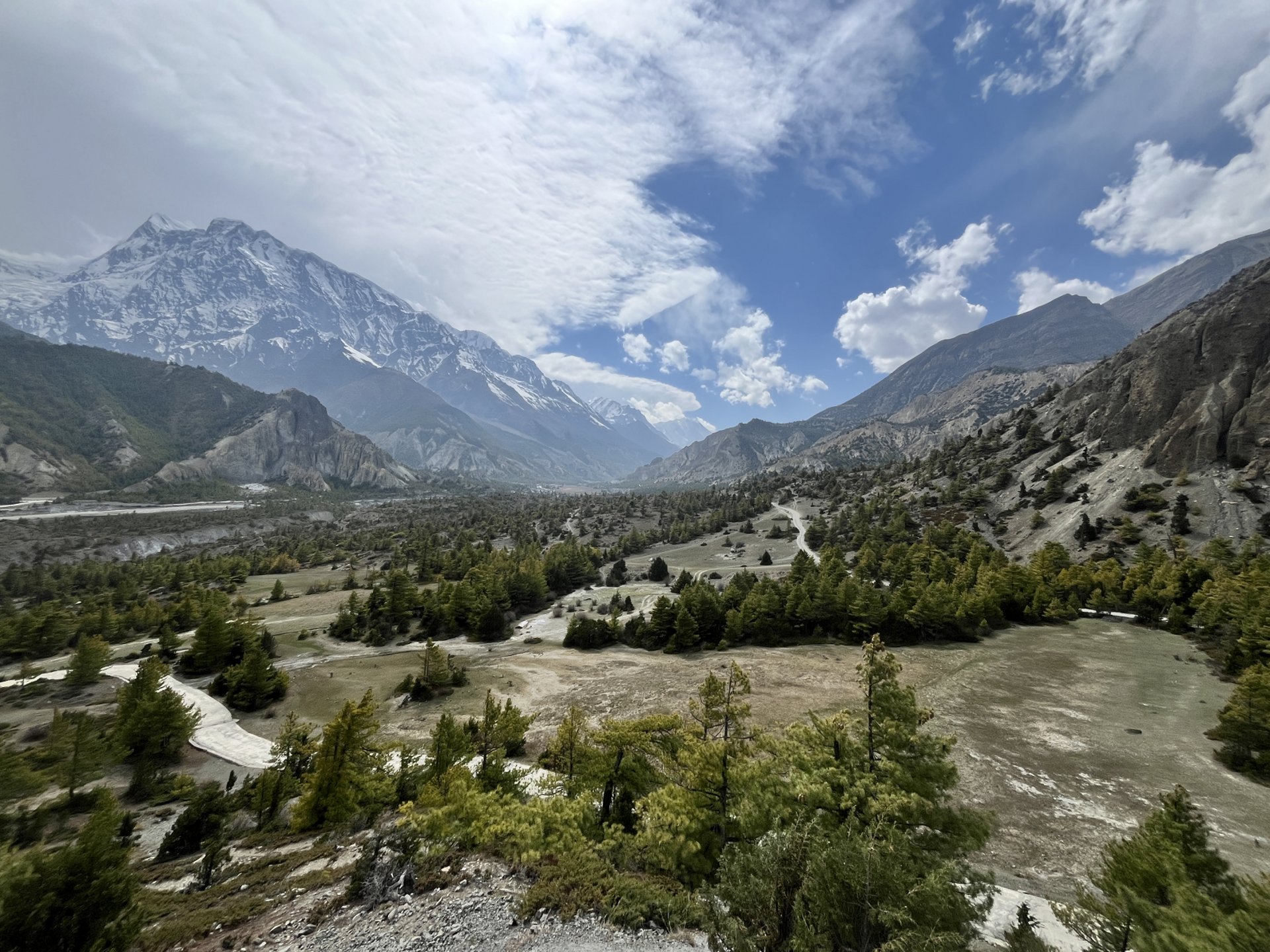
Leaving Ghangaria behind, the trail enters a protected wilderness where the landscape begins to transform dramatically. Dense forests gradually open into expansive meadows, and suddenly the Valley of Flowers unfolds before you.
The sight is extraordinary.
Rolling alpine grasslands stretch beneath towering Himalayan walls. Countless flowers bloom in layers of color, creating natural patterns across the valley floor. The Pushpawati River meanders through the meadows, fed by snowfields and hidden glaciers.
Depending on the season, the valley may be adorned with:
Blue Poppies
Himalayan Bellflowers
Primulas
Cobra Lilies
Anemones
Geraniums
Orchids
Potentillas
Himalayan Balsams
Clouds drift across the peaks, creating moving shadows that sweep over the flower-filled landscape.
Signature Moments
First panoramic view of the valley
Flower meadows extending to the horizon
Glacier-fed streams crossing the trail
Photography amid blooming alpine flora
Silence broken only by wind, water, and birdsong
The valley feels less like a destination and more like a living painting—constantly changing with light, weather, and season.
Overnight: Ghangaria
Day 4
Hemkund Sahib – The Lake Among the Clouds
Distance: 12 km Round Trip | Altitude: 4,329 m
Before dawn, the climb toward Hemkund Sahib begins.
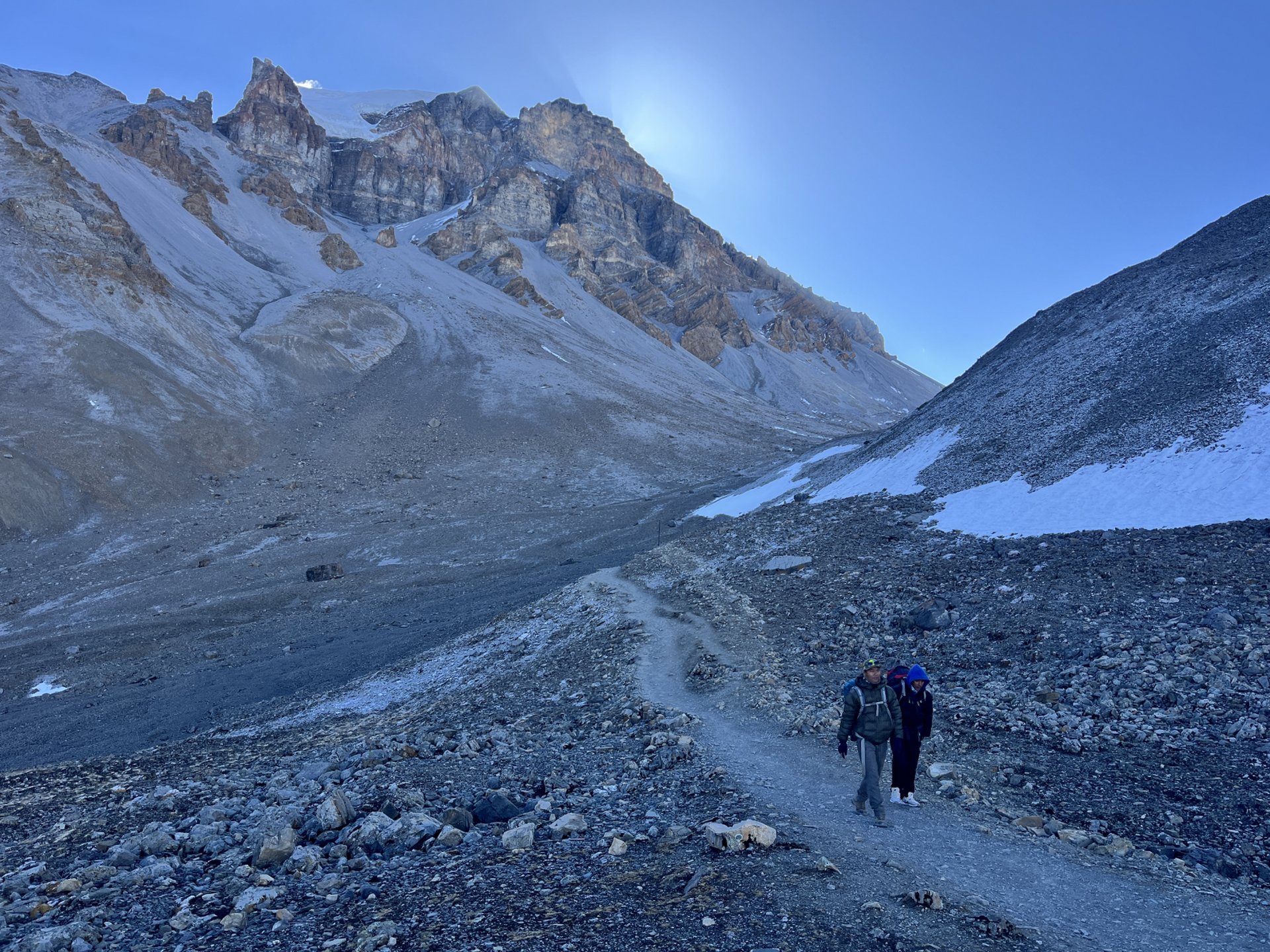
The ascent is steep and demanding, rising through rocky switchbacks and alpine terrain. As altitude increases, vegetation becomes sparse and the landscape takes on a stark, dramatic beauty.
Upon reaching the summit, the reward is breathtaking.
A pristine glacial lake rests beneath seven snow-clad peaks, its still waters reflecting the mountains above. Beside the lake stands the iconic gurudwara of Hemkund Sahib, one of the highest Sikh pilgrimage sites in the world.
During the flowering season, the slopes are home to the rare:
Brahma Kamal
Blue Poppy
Himalayan Aster
The atmosphere here is profoundly peaceful. Clouds drift across the water while distant peaks emerge and disappear through the mist.
Highlights
Sacred glacial lake
Panoramic Himalayan views
Rare high-altitude flowers
Spiritual and meditative surroundings
One of the highest accessible pilgrimage sites in India
Return to Ghangaria by evening.
Overnight: Ghangaria
Day 5
Ghangaria to Pulna & drive to Joshimath
Distance: 13 km Descent
The descent offers a final opportunity to appreciate the landscapes that may have been overlooked during the ascent.
Morning sunlight illuminates waterfalls cascading through the forests. The Pushpawati River accompanies the journey, its turquoise waters contrasting against the dark rocks and lush vegetation.
The trail gradually leaves the alpine world behind, returning to the lower Himalayan valleys.
Experience
Leisurely downhill walk
Final mountain vistas
Forest canopies and river crossings
Farewell views of the Garhwal Himalayas
Upon reaching Govindghat, travelers often find themselves already nostalgic for the serenity of the mountains.
Overnight: Joshimath
Day 6
Joshimath to Rishikesh
Drive Duration: 9–11 Hours | Altitude: 372 m → 1,875 m
The final drive traces the same river valleys back toward the plains. The peaks slowly recede into the distance, but memories of flower-filled meadows, glacial lakes, mountain mist, and Himalayan silence remain vivid.
The Valley of Flowers leaves an impression that extends beyond its scenery. It is a place where nature's scale and delicacy coexist—where towering mountains shelter fragile blossoms, and where every season creates a fleeting masterpiece that exists for only a few weeks each year.
Detailed Itinerary
Rishikesh to Rishikesh
COST INCLUSIONS
Transport
Car service will be from Rishikesh to Pulna & Pulna to Rishikesh.
Accommodation
Stay for Day 1,2 & Day 5,6 in Hotel/Homestay.
Stay for Day 3,4 in Camping Tent.
Trekking Guide
A mountaineering certified Trek Leader will guide you on routes, backpacking, diet planning, mountain hazards & other high-altitude topics. Along with a Local Guide for additional support.
Permit
Taxes, permit fees, and other charges imposed by local authorities, national parks etc.
Medical
First Aid kit, Pulse oximeter, Portable oxygen kit (where required for use of emergency service).
Meals
All non-veg/veg meals (breakfast, lunch, dinner) on all trek days (Day 2 lunch to Day 5 dinner).
COST EXCLUSIONS
Transport cost to reach Rishikesh and back. Meals, snacks, mineral water, telephone, tips and other incidental expenses during travel to Pulna from Rishikesh via Joshimath.
Adventure insurance which covers a 3,500m high-altitude trek.
Gaiter & Microspikes are available on rent (if required).
Cost of doctors, medical officers, and trek leaders are trained in first–aid to assist in case of medical emergencies. Emergency evacuation costs owing to medical emergencies or weather conditions.
Trekkers are expected to carry their rucksacks, those intending to trek without rucksacks or carry only a day pack and offloading their backpacks onto horses/porters will have to bear an additional cost.
Anything not specifically mentioned under the cost inclusions.
Inclusions & Exclusions
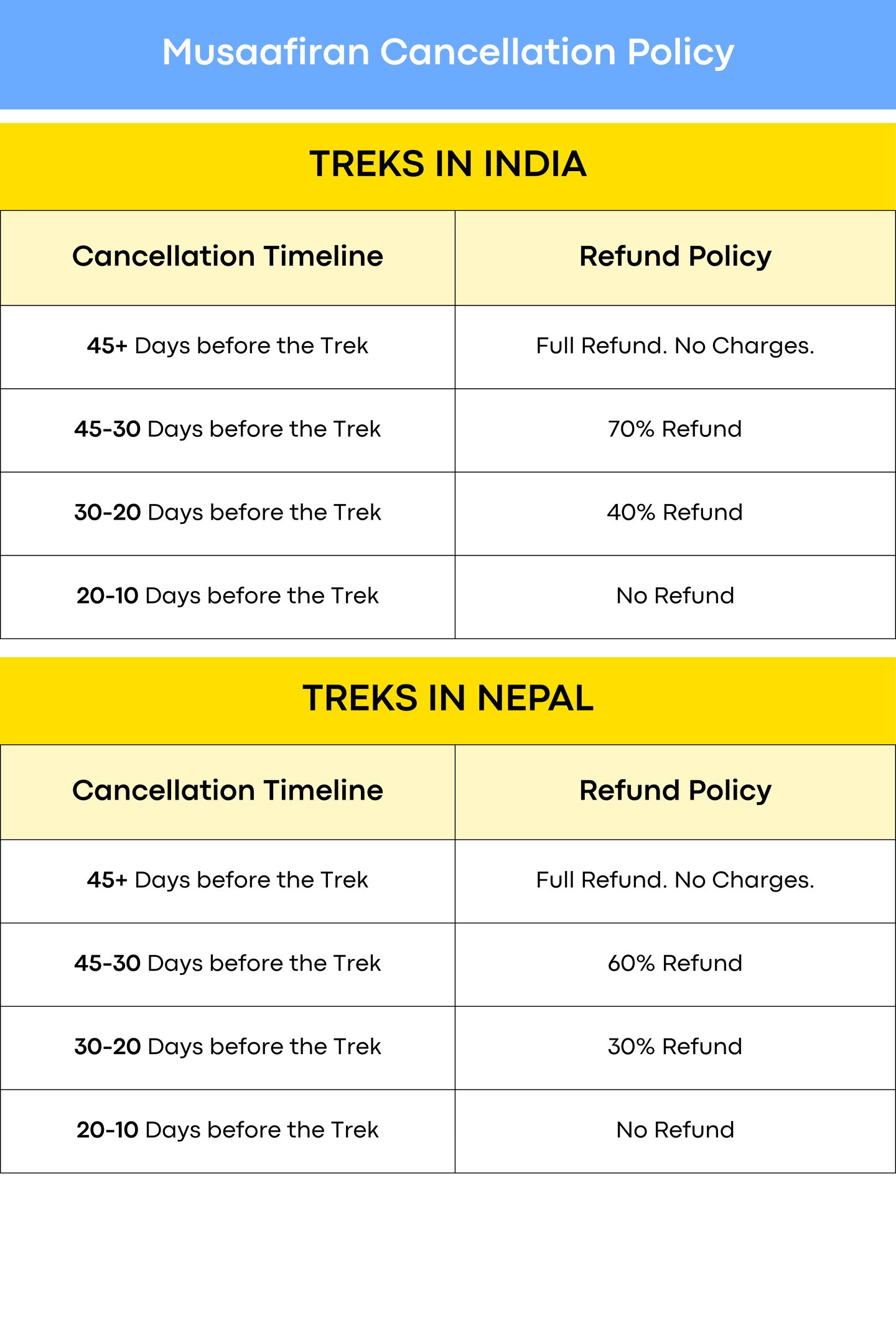
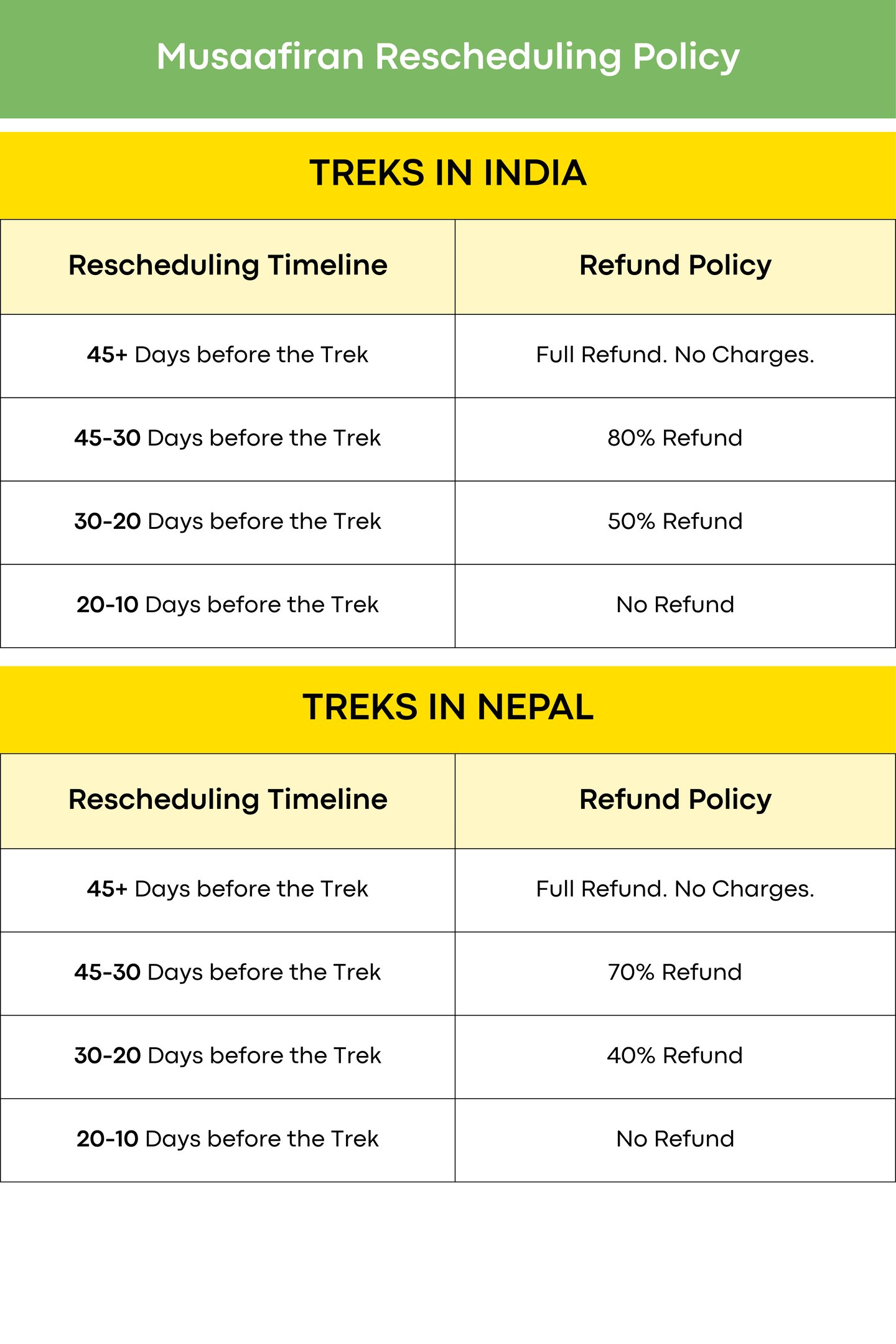
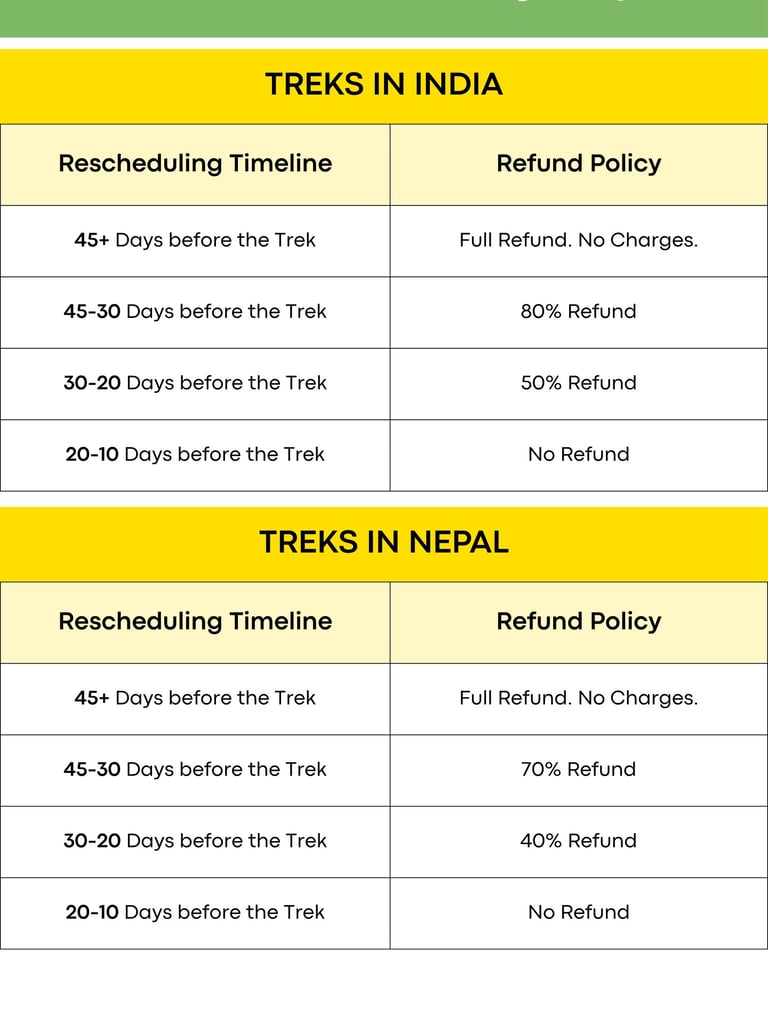
We realize that cancellation of any trek is not desired from both our and trekker’s side. We always look forward in providing an unforgettable experience of trekking or hiking in the mountains. However, if due to any unavoidable situation the trek gets canceled or any trekker compels to cancel the trek, we have certain flexible cancellation and rescheduling policies for our trekkers.
If a trek is cancelled at the last minute due to a natural disaster or unforeseeable circumstances (such as floods, earthquakes, landslides, any kind of natural calamity, wildlife movement, pandemic, lockdown, public protests, bandhs, local riots, political movement etc.), ‘Musaafiran’ will have a trek voucher for the full number. The voucher can be used for the same or a different trek over the next year.
‘Musaafiran’ assumes no responsibility for any malfunction or injury to your clothes, supplies, or other belongings while on the trek. The trek fee covers all expenses associated with the trek from start to finish.
After starting the trek if any trekker wishes to discontinue the trek due to any medical emergencies or any other reason, there will be no refund. Trekker will have to come back on his/her own expenses.
Before every Trek, we share fitness routines, guidance on workouts, help with food habits etc. We take updates on the fitness routine every week from the Trekkers. But, if the Trekkers don’t update us about their fitness plans properly, we won't allow them to participate in the Trek. Getting wasted on the Trails due to lack of proper fitness create problems for other group members. So, if we feel that you aren’t fit for the trek or don’t match the requirements, we may have to cancel your Journey. In that case, our Standard Cancellation Policy will apply for the same.
During our Trek period, our Trek Leader/ Trek Guide will observe everyone carefully. So, it is advised that any person who is disrespectful, misbehaving, arrogant, bad attitude, is harmful towards the Trek Leader/ Trek Guide/ Cook/ Porter/ Local People/ Other Group Member, we will cancel His/Her Trek and send them back down. Also, it’s not advised to disturb/destroy the wildlife environment throughout the Trek.
Cancellation & Rescheduling Policy
Who can Participate ?
Basic Requirement
Minmum age should be 11 years.
Experience any high altitude trek, at least 1 trek of 3,000m.
The climber must be fit and have sufficient stamina to cover 5 km of distance in 50 minutes without stress.
The climber should be able to carry a 10 kg backpack.
Health Issues
The pulse rate at rest must be between (60 to 90 beats per minute).
Blood Pressure Reading must be in between (DIASTOLIC 75 – 85, SYSTOLIC 100 - 130 mm Hg).
The respiratory rate at rest must be between (12 to 20 breaths per minute)
Should not have Liver and kidney issues.
Should not have Diabetes Mellitus, Bronchial Asthma, Epilepsy, Heart problems, Very High blood pressure etc.
No pacemaker implant.
If your BMI is not normal, Please contact our Trek coordinator before Trek booking.
1. Explore Treks
Discover exciting trekking destinations and find your perfect adventure.
2. Check Details
View itinerary, inclusions, difficulty level, and important guidelines.
3. Pick Your Date
Select your preferred trek date and number of participants.
4. Fill Your Details
Enter your basic information to proceed with booking.
5. Review & Confirm
Double-check your trek details, date, and total cost.
6. Secure Your Slot
Pay just 15-20% now to confirm your booking.
Multiple payment options available (UPI / Cards / Net Banking).
7. Booking Confirmed
Get instant confirmation with your invoice on email/WhatsApp.
8. Complete Formalities
Upload ID proof and required details (if applicable).
9. Pay Remaining Amount
Clear the balance before the deadline (Before 30-35 Days prior to the trek) to stay confirmed.
10. Pre-Trek Briefing
Join the group / session for final instructions and updates.
11. Start Your Adventure
Pack your bags and report at the meeting point!
Trek Booking Made Simple
Get in touch
Contacts
+91 813183542
musaafiran@gmail.com
Address
77/73/58, Bijpur Workshop Road, Halisahar, North 24 PGS, West Bengal, 743134